
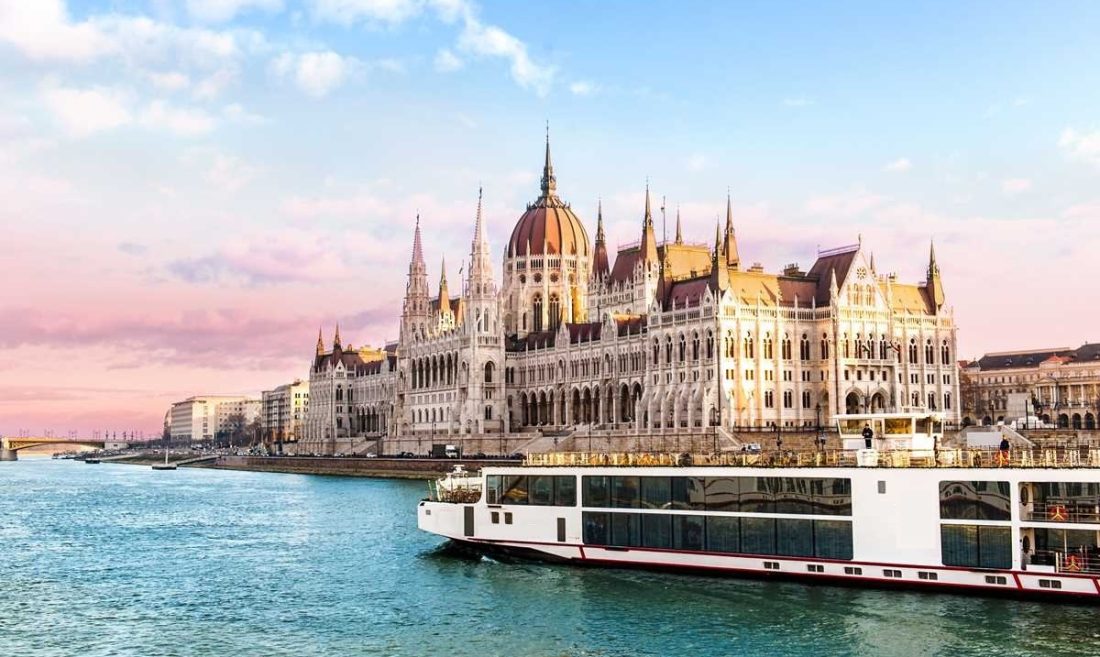
A river cruise can be an appealing way to see several destinations without changing hotels every few nights. Picture mornings beside historic waterfronts, afternoons exploring a new town, and evenings watching the countryside pass by from the ship. If you’ve never taken one, though, choosing a river, cruise line and itinerary can feel unfamiliar.
This first-time river cruise guide explains what the experience is like, what to compare before booking and how to find an itinerary that suits the way you like to travel.
How is a river cruise different from an ocean cruise?
River ships are generally smaller than ocean ships, with fewer guests and a greater emphasis on destinations rather than large-scale onboard attractions. Instead of waterslides and expansive entertainment complexes, you’ll typically find lounges, dining spaces, open-air viewing areas and a quieter atmosphere.
Many river itineraries stop close to the towns and cities you’re visiting. You can unpack once and explore multiple destinations, although docking locations, walking distances and daily schedules vary by sailing.
What’s included in a river cruise fare?
River cruise fares often include accommodations, onboard meals and at least some guided sightseeing. Wi-Fi, beverages, gratuities, airport transfers and additional excursions vary considerably by cruise line and fare type. A lower advertised price is not necessarily the lowest total vacation cost.
When comparing two cruises, ask which excursions are included, what drinks are covered, whether transfers are provided and what you’ll pay for optional activities. Review the actual terms for your sailing rather than assuming every river cruise is all-inclusive.
Which river should you choose for your first cruise?
Rhine River: A popular introduction to European river cruising, with scenic stretches, castles, vineyards and historic towns. Explore the Upper Middle Rhine Valley for one example of this historic scenery. Routes may include destinations in Germany, France, the Netherlands and Switzerland.
Danube River: A strong choice for travelers interested in architecture, music and European capitals. Depending on the itinerary, you may visit Vienna, Budapest, Bratislava and other cultural destinations.
Seine River: Ideal for travelers drawn to French art, cuisine and history. Some itineraries connect Paris with destinations in Normandy.
Douro River: A scenic option for exploring Portugal’s wine country, with vineyard-covered hillsides, regional cuisine and smaller riverside communities.
Start with the places you’d most like to experience, then compare the time spent in each port. Two sailings on the same river may offer very different excursions and schedules.
What does a typical day on a river cruise look like?
A day might begin with breakfast onboard, followed by a guided walk or cultural excursion. Later, you could explore independently, join an optional activity or relax while the ship cruises to its next stop. Evenings tend to center on dinner, conversation and regional entertainment rather than large production shows.
Not every day follows the same pattern. Some itineraries have early starts or full sightseeing schedules, while others leave more free time. Check the day-by-day itinerary to see whether the pace suits you.
Get our free Cruise Planning Guide for helpful tips on comparing itineraries, cruise lines and what to consider before booking.
Get the Free Guide →
Are river cruises suitable for every traveler?
River cruising can be wonderful for travelers who enjoy sightseeing, but it is important to consider mobility and accessibility. Historic towns may have cobblestones, uneven paths and stairs. River ships sometimes dock alongside one another, requiring guests to cross through another vessel to reach shore.
Ask about the specific ship’s accessibility features, excursion activity levels and docking arrangements before booking. Water levels and local conditions can also lead to itinerary or transportation changes.
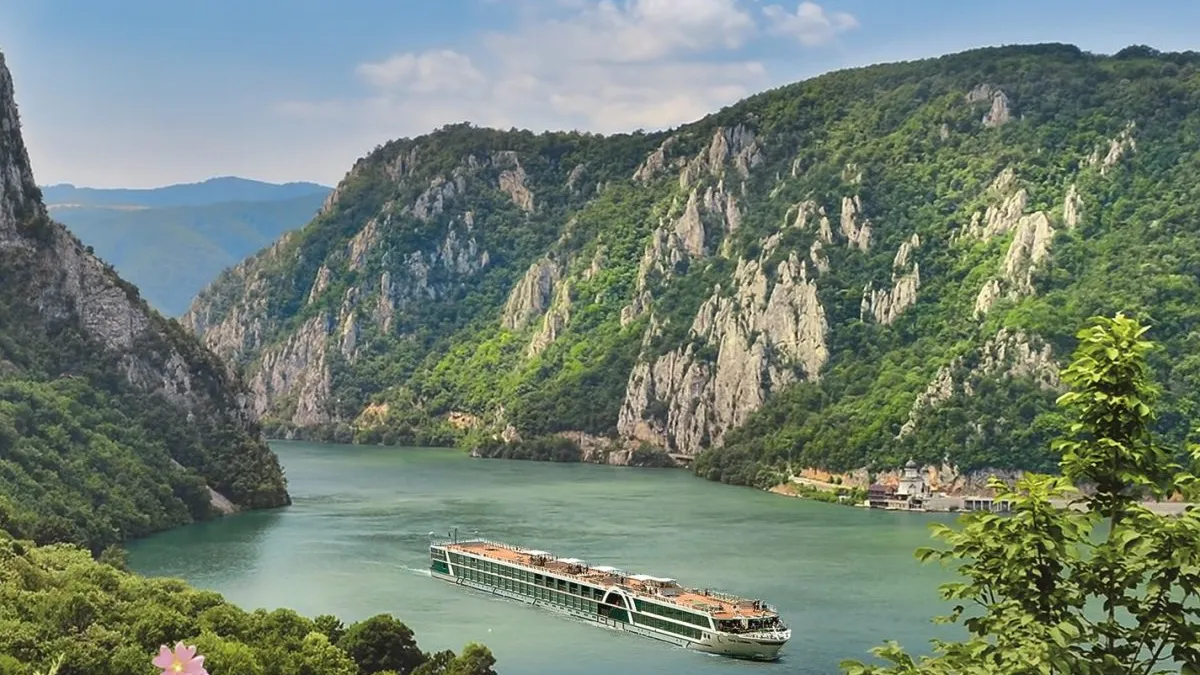
When is the best time to go?
Spring often brings pleasant sightseeing weather, while summer offers long daylight hours and can be warmer and busier. Fall can be attractive for vineyard regions and seasonal scenery. Select itineraries in late November and December visit European Christmas markets.
The right season depends on the river, destinations and experiences you want. River conditions can affect schedules at different times of year, so build flexibility into your plans.
How far ahead should you book a river cruise?
Because river ships carry fewer guests than large ocean ships, preferred staterooms and popular departures may have limited availability. Planning early can provide more choices, especially for holiday market sailings and specialty itineraries. There is no single booking window that fits every river or cruise line.
How do you choose the right cruise line and stateroom?
Look beyond the cruise-line name. Compare the included excursions, activity level, dining style, onboard atmosphere, fare inclusions and itinerary. Stateroom window and balcony designs also differ by ship, and not every room category offers the same view or outdoor access.
Think about your priorities: more guided touring or independent time, a relaxed atmosphere or an active schedule, and the overall cost after optional extras. A river cruise advisor can help you compare these details side by side.
Ready to plan your first river cruise?
Be My Guest Vacations helps travelers nationwide compare river cruise destinations, itineraries, cruise lines and staterooms. Our planning services are available at no added cost when you book through us.
Explore our River Cruise Travel Agent page to learn more, or browse our Cruise Vacations resources.